
Create Listing

Japanese Akitainu

HEIGHT
23-27 inches
WEIGHT
65-95 pounds
LIFE SPAN
11-15 years
Information

The Japanese Akitainu is highly intelligent but not eager to please. It has an independent spirit that demands calm, confident leadership and clear boundaries. First-time dog owners may find it challenging due to its reserved temperament, guarding tendencies, and need for early socialization.

While usually quiet and stoic, the Akitainu is very aware of its surroundings and naturally protective. It may be reactive toward unfamiliar dogs, especially those of the same sex. However, it is gentle and deeply loyal to its own family.

The dense, weatherproof coat sheds seasonally and requires regular grooming, especially during coat blow periods.

Quick facts
  • Origin: Japan

  • Breed Group: Working / Spitz

  • Lifespan: 11–15 years

  • Height: 23–27 inches

  • Weight: 65–95 pounds

  • Coat Type: Thick double coat, weather-resistant

  • Temperament: Loyal, calm, independent

  • Exercise Needs: Moderate

  • Training Needs: Moderate to high

  • Grooming Needs: Moderate

  • Health Concerns: Hip dysplasia, autoimmune conditions, sebaceous adenitis, eye disorders

Overview

The Japanese Akitainu, often referred to simply as the Akita Inu, is Japan’s original Akita breed, distinct from the American Akita. Revered for centuries in Japan as a symbol of courage, loyalty, and good fortune, the Akitainu is dignified, alert, and deeply bonded to its family.

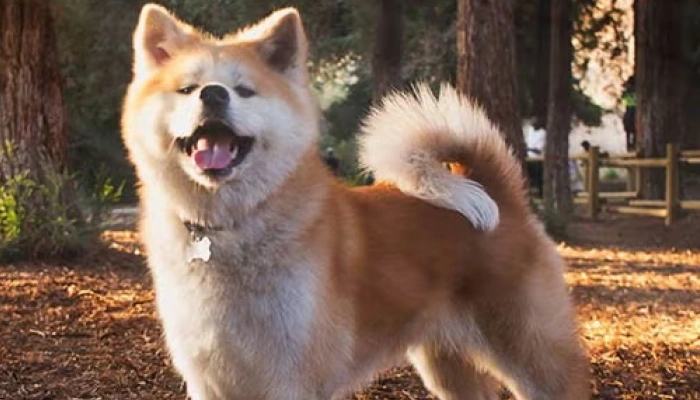
More refined and fox-like than its American counterpart, the Japanese Akitainu is slightly smaller, with a tighter build, curled tail, upright ears, and a dense double coat in shades like red, sesame, brindle, or white.

Though calm and reserved, this breed has a strong protective instinct. It is independent and selective with affection—loyal to its inner circle but often aloof with strangers. With proper training and early socialization, it can be a devoted, clean, and respectful companion.

Find your perfect Japanese Akitainu in Ireland
Browse trusted listings of Japanese Akitainu puppies and dogs from breeders nationwide.
View all Japanese Akitainu
Japanese Akitainu FAQs
How much does a Japanese Akitainu puppy cost in Ireland?
A Japanese Akitainu puppy in Ireland typically costs between €1,200 and €2,000, depending on the breeder, lineage, and pedigree.
Are Japanese Akitainus good family dogs?
Yes, they can be wonderful family dogs when properly socialized from a young age. They are loyal, calm, and protective, but due to their independent nature, they’re best suited for families with older children and experienced dog owners.
Do Japanese Akitainus get along with other pets?
Akitainus can be territorial and may not always get along with other dogs, especially of the same sex. Early socialization and careful introductions are essential if they are to live with other animals.
How much exercise does a Japanese Akitainu need?
They need at least one hour of exercise daily, including long walks and playtime. Mental stimulation is equally important to keep them content and prevent boredom.
How long do Japanese Akitainus live?
Japanese Akitainus typically live between 10 and 14 years, with proper diet, care, and regular veterinary check-ups helping them stay healthy and strong.
What to expect

Owning a dog is not just a privilege; it’s a responsibility. They depend on us for, at minimum, food and shelter, and deserve much more.

Health
Generally robust, but monitor for hip dysplasia, autoimmune disorders, and certain skin conditions. Choose breeders who perform thorough health screenings. Regular vet care and joint support are important.
Grooming
Brush 2–3 times per week; daily during heavy shedding periods. Coat repels dirt but mats if neglected. Keep nails trimmed and ears clean. Bathe only when necessary.
Exercise
Needs daily walks and mental stimulation, but is not hyperactive. Enjoys calm, structured outdoor time and benefits from fenced areas. Doesn’t usually crave intense play.
Training
Independent thinker. Needs patient, firm, and consistent training starting in puppyhood. Early socialization reduces suspicion and helps build confidence in unfamiliar settings.
Nutrition
Feed a balanced, high-quality large-breed diet. Avoid overfeeding and monitor for weight gain, especially as the breed can be prone to joint issues.

Perfect Service for Your Dog

Advertise for less than €20 / month

Paws for a moment and take a step closer to your new best friend

Sign up
Subscribe to our newsletter

Dogs for Sale

Dogs for Stud

Resources

Information