
Create Listing

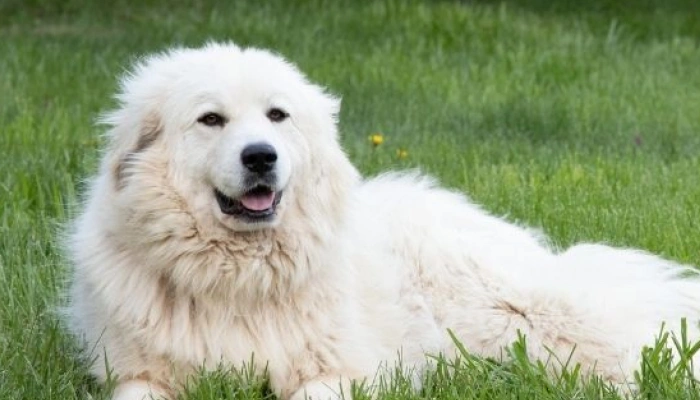
Great Pyrenees

HEIGHT
25-32 inches
WEIGHT
85-120 pounds
LIFE SPAN
10-12 years
Information

Great Pyrenees are confident, self-reliant, and emotionally stable dogs. Bred to think for themselves, they are not eager-to-please in the traditional sense, but they are devoted and bond deeply with their families.

Training this breed requires patience, consistency, and early socialization. They are known to bark—often and loudly—as part of their natural guardian role. Without proper boundaries and mental stimulation, they can become stubborn or overly territorial.

Their dense, weather-resistant coat needs regular grooming, especially during seasonal shedding. Though beautiful, the coat does shed heavily and requires commitment.

Quick facts
  • Origin: France / Spain (Pyrenees Mountains)

  • Breed Group: Working

  • Lifespan: 10–12 years

  • Height: 25–32 inches

  • Weight: 85–120+ pounds

  • Coat Type: Long, thick, double coat

  • Temperament: Calm, independent, protective

  • Exercise Needs: Moderate

  • Training Needs: Moderate

  • Grooming Needs: High

  • Health Concerns: Hip dysplasia, bloat, patellar luxation, osteosarcoma

Overview

The Great Pyrenees, also known as the Pyrenean Mountain Dog, is an ancient livestock guardian bred to protect sheep from predators in the rugged Pyrenees Mountains of France and Spain. With its thick white coat, broad chest, and patient demeanor, the breed is both an imposing protector and a devoted companion.

Known for its independent spirit, the Great Pyrenees makes decisions instinctively—ideal for working alone in the field but requiring guidance in family life. At home, this breed is calm, affectionate, and deeply loyal to those it considers part of its flock, including children and other animals.

The breed’s natural instincts mean it thrives in environments with space, structure, and purpose. Apartment living or first-time dog owners may struggle unless fully prepared for the breed’s size, independence, and barking tendencies.

Find your perfect Great Pyrenees in Ireland
Browse trusted listings of Great Pyrenees puppies and dogs from breeders nationwide.
View all Great Pyrenees
Great Pyrenees FAQs
How much does a Great Pyrenees puppy cost in Ireland?
A well-bred Great Pyrenees puppy in Ireland typically costs between €1,200 and €2,000, depending on the breeder’s reputation and the dog’s lineage.
Are Great Pyrenees good family dogs?
Yes, they are loyal, gentle, and protective, making them excellent family dogs. They are particularly good with children and thrive in homes where they can be part of daily life.
Do Great Pyrenees shed a lot?
Yes, they shed heavily, especially during seasonal changes. Regular brushing several times a week helps control shedding and keeps their thick coats healthy.
How much exercise does a Great Pyrenees need?
They are moderately active dogs that benefit from 45–60 minutes of daily exercise. Walks and supervised outdoor time suit them well, as they enjoy patrolling their surroundings.
Are Great Pyrenees easy to train?
They are intelligent but can be independent thinkers. Patience, consistency, and positive reinforcement are key to successful training. Early socialisation helps them develop into well-mannered companions.
What to expect

Owning a dog is not just a privilege; it’s a responsibility. They depend on us for, at minimum, food and shelter, and deserve much more.

Health
Generally healthy, though large breed issues like hip dysplasia, bloat, and bone cancer (osteosarcoma) are concerns. Regular vet visits and preventive care are essential. Avoid intense exercise after meals to reduce bloat risk.
Grooming
Brush at least twice weekly; daily during heavy shedding. The coat repels dirt but mats easily behind ears and legs. Bathe only as needed. Keep ears clean and nails trimmed.
Exercise
Needs daily walks and secure yard time but is not a high-energy breed. Enjoys patrolling and watching over its space more than structured play. Strong leash or fenced areas are a must.
Training
Intelligent but independent. Responds best to firm, calm, and consistent leadership. Early training and socialization are vital to manage barking, roaming, and protective tendencies.
Nutrition
Feed a high-quality large-breed diet. Monitor weight to protect joints. Consider joint supplements and split meals to minimize bloat risk.

Perfect Service for Your Dog

Advertise for less than €20 / month

Paws for a moment and take a step closer to your new best friend

Sign up
Subscribe to our newsletter

Dogs for Sale

Dogs for Stud

Resources

Information